Repairing an RV Water System: The Hot Water Heater Complexity
Short story: Call or text Todd at 863-346-1833
Longer version: When embarking on the adventure that is RV living or traveling, one quickly learns that the comforts of home require a bit of maintenance. Among the various systems onboard, the water system is pivotal for a comfortable experience. Specifically, the hot water heater emerges as a common source of issues that can dampen the spirit of adventure. This article delves into the complexities surrounding the repair of RV hot water systems and shows why tackling such repairs solo might not be the wisest decision.
Understanding the Hot Water Heater in Your RV
The hot water heater in an RV isn’t just a smaller version of a household unit; it’s a specialized component designed to withstand the rigors of mobility and the unique demands of RV use. It operates either on propane, electricity, or a combination of both, heating water as it passes through the system to provide you with hot water for showers, cleaning dishes, and more. This system’s multifaceted nature contributes to its complexity and the challenges involved in its repair.
Common Issues with RV Hot Water Heaters
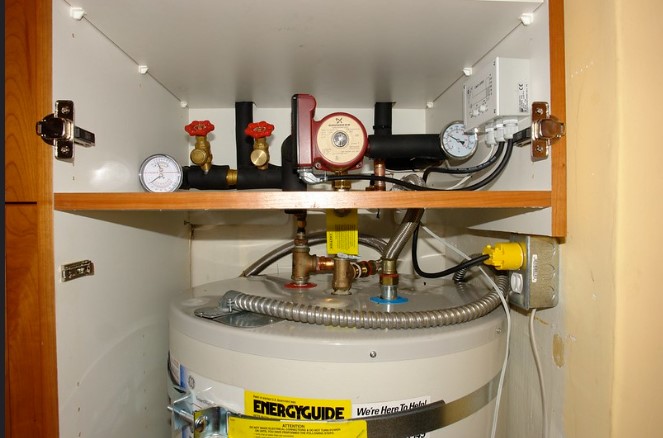
RV hot water heaters face a range of issues, from sediment buildup and corrosion due to water quality to malfunctioning thermostats and heating elements. Anode rods, which protect the tank from corrosion, wear down over time and require replacement. Moreover, the compact and often cramped installation spaces make accessing and diagnosing problems a task for the nimble and patient.
The Case Against DIY Repairs
- Technical Knowledge and Tools: Repairing an RV hot water heater requires a specific set of tools and a deep understanding of both plumbing and electrical systems within an RV. The dual nature of its power source adds an additional layer of complexity, necessitating knowledge of both electrical wiring and gas connections.
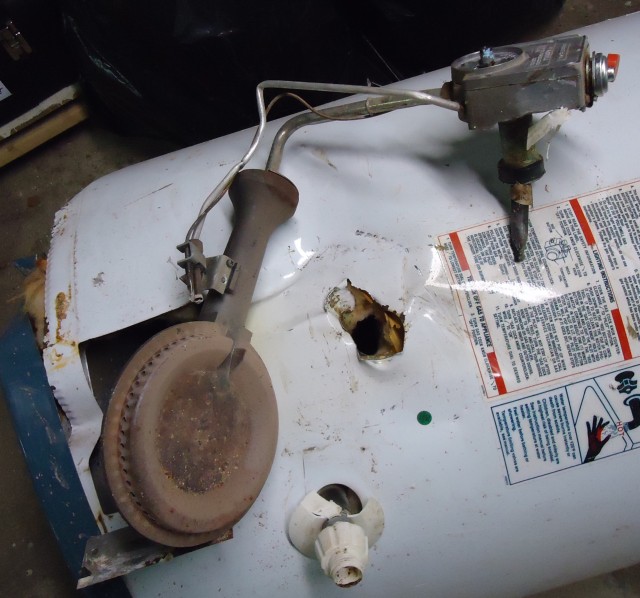
- Safety Concerns: Working with gas lines and electrical connections poses significant risks. Incorrect handling can lead to gas leaks, risking fire or explosion, while errors in dealing with electrical components can result in shocks or worse. Professional technicians possess the training to navigate these hazards safely.
- Warranty and Insurance Implications: DIY repairs on your RV’s hot water heater can void warranties and might not be covered by insurance policies. Manufacturers often require professional servicing as a condition of their warranty, meaning a well-intentioned DIY fix could lead to greater expenses down the line.
- Diagnostic Challenges: Identifying the root cause of hot water heater issues is often more complex than it appears. Professionals bring years of experience and diagnostic tools that allow them to accurately pinpoint problems, which might elude even the most determined DIY enthusiast.
- Long-Term Reliability and Efficiency: A professional repair ensures that your hot water system operates efficiently and reliably over the long term. Technicians can also provide valuable maintenance tips to prevent future issues, something that DIY fixes might not address.
Conclusion
The allure of self-sufficiency is strong among RV enthusiasts, and while many aspects of RV maintenance are well within the reach of a handy owner, the repair of the hot water system, particularly the heater, stands out as an exception. The complexities and potential risks associated with DIY repairs make a compelling case for entrusting such tasks to professionals. Doing so not only ensures the safety and reliability of your RV’s water system but also preserves the joy and freedom that come with RV travel. Let the professionals handle the complexities of your hot water heater, and focus instead on the adventures that await.
Or back to the short story: Call or text Todd at 863-346-1833
